When a drain blocks, the first instinct is often to reach for whatever's under the sink. But not everything you can pour down a drain should go down a drain — and some methods that seem helpful can actually make the problem worse.
This guide covers what you can safely try for a minor blocked drain, what you should never put down a drain, why chemical cleaners aren't always the best solution, and when it's time to stop DIY attempts and call a plumber. If your drain is blocked and home methods aren't working, call us on 1300 000 000.
Safe DIY Methods for Minor Blockages
For a simple, localised blockage — a slow-draining kitchen sink or a shower drain blocked with hair — there are a few methods you can try safely before calling a plumber.
Use a Plunger
A cup plunger can be effective for blockages in sinks and basins. Create a seal over the drain opening and plunge firmly several times. The suction can dislodge blockages caused by soft debris like food scraps or soap scum. For a double sink, block the other drain with a wet cloth before plunging so the pressure goes down the pipe rather than up the other bowl.
Hot Water
For grease-related blockages in a kitchen sink, pouring hot (not boiling) water down the drain can help soften and flush grease that has solidified in the pipe. This works best for partial blockages and is most effective if done regularly as a preventative measure. Don't use boiling water on PVC pipes, as extreme heat can damage them.
Remove Visible Debris
If hair or debris is visible at the drain opening, remove it manually. For shower drains, removing the drain cover and pulling out accumulated hair can resolve a slow drain. Wear gloves and use a tool if needed — don't push debris further down the pipe.
Baking Soda and Vinegar
A mixture of baking soda followed by vinegar can help with minor build-up and odours. Pour half a cup of baking soda down the drain, followed by half a cup of vinegar, then flush with hot water after 15 minutes. This is a mild, non-corrosive approach that can help with light build-up but won't clear a significant blockage.
A Drain Snake (Hand Auger)
A small hand-cranked drain snake can reach further into a pipe than a plunger and is effective for blockages caused by hair or soft debris a short distance down the pipe. Feed the snake into the drain until you feel resistance, then turn the handle to break through or hook the blockage. This is a useful tool for homeowners to keep on hand for minor blockages.
Why Chemical Drain Cleaners Aren't Always the Answer
Commercial chemical drain cleaners are widely available, but they come with risks that aren't always communicated on the label:
- They can damage pipes — harsh chemicals, particularly caustic cleaners, can corrode older pipes and weaken pipe joints over time.
- They don't work on all blockages — chemical cleaners are designed to dissolve organic matter like hair and grease. They won't clear a blockage caused by a foreign object, tree roots, or a collapsed pipe.
- They can create a hazard for the plumber — if you pour chemicals down a drain and then call a plumber, those chemicals may still be in the pipe when the plumber opens it. This can cause burns or eye injuries.
- They're environmentally harmful — the chemicals end up in the wastewater system.
- They can make the problem worse — if a chemical cleaner doesn't clear the blockage, it sits in the pipe, potentially corroding it further.
If you've already used a chemical cleaner and it hasn't worked, tell the plumber when you call. They need to know what's in the pipe before they start working.
What Should Never Go Down Household Drains
Preventing blockages is easier than clearing them. These items should never go down household drains:
- Cooking oil, fat and grease — these solidify in the pipes and build up over time, causing stubborn blockages.
- Coffee grounds — they don't dissolve and settle in pipes, contributing to build-up.
- Food scraps — even with a garbage disposal, fibrous foods, eggshells and starchy foods can cause blockages.
- Hair — use drain strainers in showers and basins to catch hair before it enters the pipe.
- Sanitary products, wipes and cotton buds — these don't break down and are a leading cause of toilet and sewer blockages. Even 'flushable' wipes don't break down properly.
- Paint, solvents and chemicals — these can damage pipes and are harmful to the wastewater system.
When DIY Attempts Should Stop
Home methods can clear simple, localised blockages. But there's a clear point where DIY should stop and a plumber should take over:
- The blockage hasn't cleared after a plunger, hot water or a hand snake.
- Multiple drains are affected — this indicates a blockage deeper in the system.
- The drain keeps blocking after being cleared — there's an underlying cause that needs professional investigation.
- Sewage or wastewater is backing up.
- There's a bad smell coming from the drain.
- The blockage is in the main sewer line.
Continuing to try home methods on a blockage that isn't responding wastes time and can make the problem worse. For more on what causes drains to block, see our guide on what causes blocked drains, and for guidance on when a slow drain needs professional attention, see our article on slow drains and when to call a plumber.
When a Plumber Should Inspect the Drain
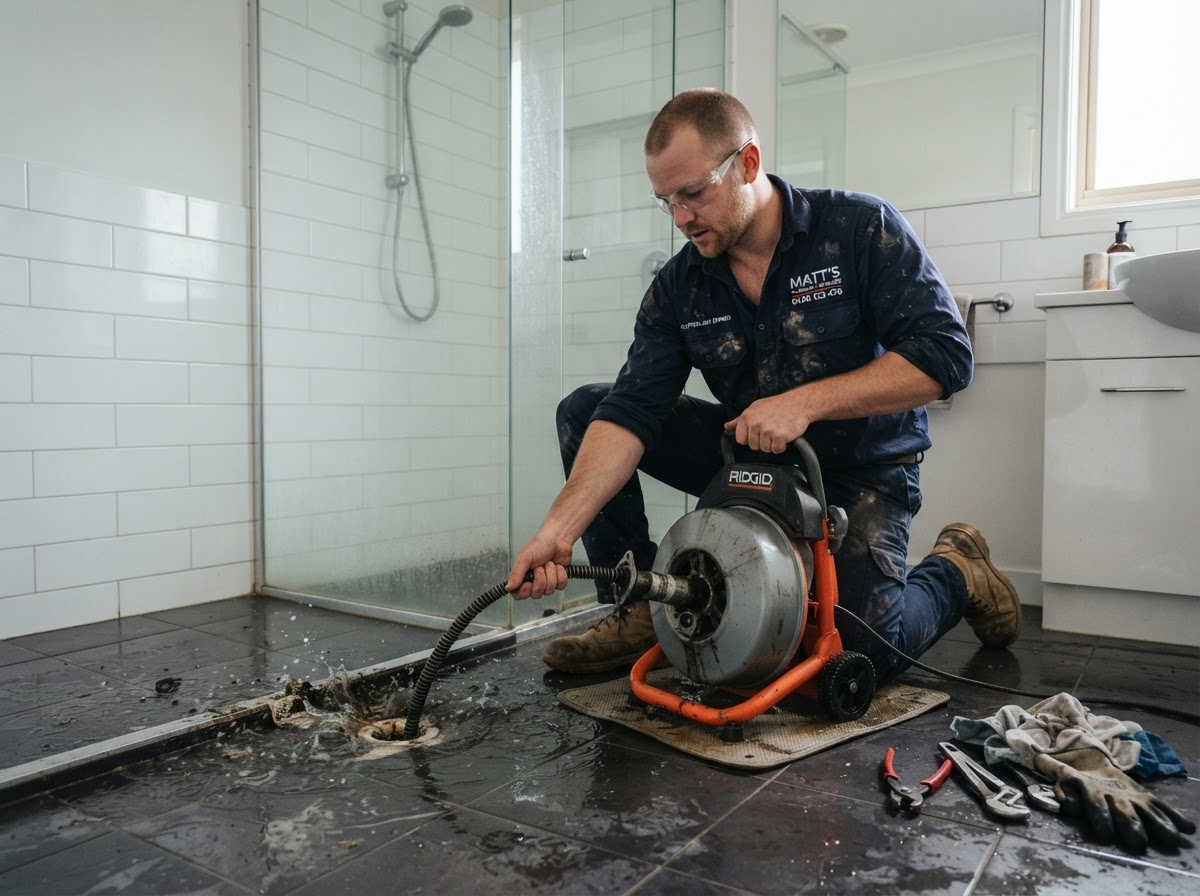
A plumber has equipment that homeowners don't — professional-grade drain snakes, high-pressure water jetting, and CCTV drain cameras. If a blockage is recurring, deep in the system, or caused by tree roots or a damaged pipe, a plumber needs to inspect the drain to identify the cause and recommend the right fix.
For recurring blockages, a CCTV inspection is the best investment you can make. It shows exactly what's happening inside the pipe — whether tree roots have penetrated, a section has collapsed, or there's significant build-up — and allows the plumber to recommend a permanent solution rather than repeatedly clearing the same blockage. For an idea of what professional drain clearing costs, see our guide on the cost to unblock a drain on the Gold Coast.
Tried Clearing Your Drain But It Keeps Blocking?
If you've tried plunging, hot water or a drain snake and the blockage is still there — or it keeps coming back — it's time for a professional inspection. We'll clear it properly and identify the cause so it doesn't return. Call us on 1300 000 000 or request a plumber online.
Request a PlumberFrequently Asked Questions
What's the best thing to put down a blocked drain?
For minor blockages, a plunger or a hand drain snake is the most effective and safest approach. Hot water can help with grease-related blockages. Avoid harsh chemical cleaners, which can damage pipes and create hazards for plumbers.
Does baking soda and vinegar unblock drains?
Baking soda and vinegar can help with light build-up and odours, but they won't clear a significant blockage. They're a mild preventative measure rather than a solution for a blocked drain.
Are chemical drain cleaners safe to use?
Chemical drain cleaners can damage older pipes, don't work on all types of blockages, and can create a hazard for a plumber who subsequently works on the drain. If you've used one and it hasn't worked, tell the plumber when you call.
Can I use a drain snake myself?
A small hand-cranked drain snake is a useful tool for minor blockages close to the drain opening. For deeper blockages or main drain problems, a professional drain snake or high-pressure jetter is needed.
What shouldn't I put down my drains?
Never put cooking oil, grease, coffee grounds, food scraps, sanitary products, wipes (even 'flushable' ones), cotton buds, paint or chemicals down household drains. These are leading causes of blocked drains and sewer blockages.
When should I stop trying to unblock a drain myself?
Stop DIY attempts if the blockage hasn't cleared after a plunger or hand snake, if multiple drains are affected, if the drain keeps blocking, or if there's sewage or a bad smell. These signs indicate a deeper problem that needs professional equipment.
Need a Plumber on the Gold Coast?
Call us or request a plumber online — we're here to help with any plumbing issue.
Request a Plumber