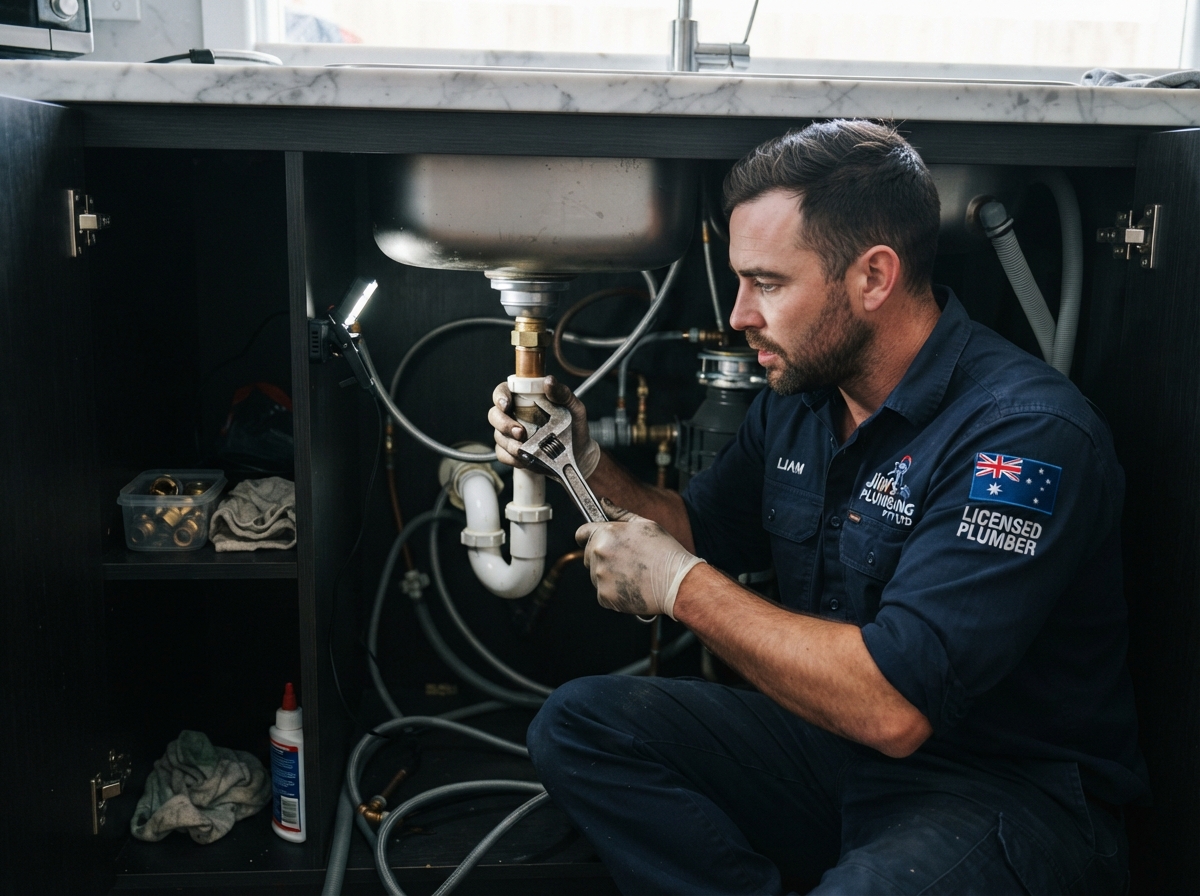
Plumbing pipes aren't supposed to be noisy. A bang when you turn off a tap, a hum that runs through the wall, or a whistle that starts every time the shower is used are all signs that something in the plumbing system isn't behaving the way it should. Sometimes the cause is minor and easily fixed. Other times, noisy pipes point to a pressure issue or loose pipework that can lead to leaks or damage if left unchecked.
This guide explains the most common causes of noisy pipes in Gold Coast homes and apartments — from water hammer through to high pressure and loose fittings — what the different sounds usually mean, and when it's worth getting a plumber to investigate. Whether it's a bang in a Robina family home or a humming pipe in a Southport apartment, understanding the noise helps you decide whether it's a quick fix or a sign of something more serious.
Common Types of Noisy Pipes and What They Usually Mean
Different noises tend to point to different causes. The type of sound, when it happens and where it comes from all provide clues.
Banging or Knocking (Water Hammer)
A loud bang or shudder when you turn off a tap — particularly a quick-closing lever tap or an appliance like a washing machine or dishwasher — is the classic symptom of water hammer. Water hammer happens when fast-moving water is suddenly stopped, creating a pressure shockwave that travels back through the pipe. The bang is the pipe physically moving or shaking as the shockwave hits. Over time, repeated water hammer can loosen pipe fittings, damage joints and eventually cause leaks.
Humming or Vibrating Pipes
A low hum or vibration that you can feel in the wall or floor when water is running often points to high water pressure. When pressure is too high, water moves through pipes with enough force to vibrate the pipework, particularly if pipes aren't adequately clipped or secured. A humming noise that continues after all taps are off can also indicate a pressure issue at the mains or a faulty pressure-limiting valve.
Whistling or Squealing
A whistle or squeal when a particular tap or fixture is used usually means water is being forced through a restricted opening. Common causes include a partially closed valve, a worn washer or cartridge, a build-up inside the fitting, or a faulty tap assembly. Whistling that happens across all fixtures may point to a pressure issue or a restriction in the main supply line.
Rattling or Ticking
A rattle when water runs through pipes usually means a pipe is loose and vibrating against a wall, joist or another surface. Pipes are normally clipped or secured to prevent movement, but over time clips can come loose — particularly in older homes. A ticking sound after hot water is used is often just the pipe expanding and contracting as it heats and cools, which is generally harmless.
Running Water Sound in Walls
If you can hear water running inside a wall when nothing is turned on, this can indicate a leak — or in apartment buildings, water moving through shared pipework serving other units. If the sound is constant and your water meter is moving when nothing is in use, it's worth investigating for a hidden leak.
What Causes Noisy Pipes?
Most noisy plumbing comes down to one or more of the following:
- Water hammer — a pressure shockwave caused by sudden valve closure, common with lever taps, dishwashers and washing machines.
- High water pressure — excessive mains pressure forces water through pipes fast enough to vibrate or hum the pipework.
- Loose pipework — pipes that aren't adequately clipped or secured rattle and bang as water moves through them.
- Worn or faulty valves — a failing tap washer, cartridge or inlet valve can whistle, squeal or chatter.
- Partially closed valves — a valve that's not fully open restricts flow and can cause whistling or humming.
- Faulty or missing water hammer arrestor — many homes have a device designed to absorb pressure shocks; if it fails or was never installed, hammer noise is more likely.
- Air in the system — trapped air can cause sputtering, banging or irregular flow, though this usually resolves after running taps.
- Pipe expansion and contraction — hot water pipes expand as they heat and contract as they cool, producing ticking or creaking sounds that are generally harmless.
How to Tell What the Noise Means
The timing and location of the noise are the best clues to the cause. Use this as a starting point:
- Bang when a tap or appliance turns off — likely water hammer.
- Hum or vibration while water is running — likely high pressure or loose pipework.
- Whistle or squeal from one tap — likely a worn washer, cartridge or restricted fitting.
- Whistle across all taps — possible pressure issue or restriction in the main supply.
- Rattle when water runs — loose pipework that needs re-securing.
- Ticking after hot water use — pipe expansion, usually harmless.
- Constant running water sound — possible leak or, in apartments, shared pipework.
Simple Checks You Can Do Safely
Before calling a plumber, there are a few safe checks that can help narrow down the cause:
- Note which fixtures trigger the noise — is it one tap, all taps, or only appliances?
- Check whether the noise happens when the water is turned on, when it's turned off, or both.
- Listen to where the sound is coming from — a wall, under the floor, near the hot water system, or at a specific fixture.
- Check your water meter when nothing is in use — if it's moving, you may have a leak.
- If you have a pressure-limiting valve at the meter, note whether the hum seems to come from that area.
These observations give a plumber a useful head start. They don't replace a professional diagnosis, but they help narrow down the likely cause quickly.
When DIY Can Make Things Worse
Noisy pipes are often a symptom of a pressure or fitting issue that's best left to a plumber. Attempting the following can create bigger problems:
- Adjusting a pressure-limiting valve without knowing the correct setting — incorrect pressure can damage fittings, void appliance warranties and worsen hammer.
- Opening walls to find a loose pipe — you may damage other services or waterproofing.
- Replacing a tap washer to fix a whistle when the cartridge or fitting itself is the problem — the wrong part won't solve it.
- Ignoring persistent water hammer — over time, hammer loosens fittings and joints and can lead to leaks.
When Should Noisy Plumbing Be Investigated?
Not every plumbing noise needs urgent attention — a tick from an expanding hot water pipe is harmless, and a single brief bang when an appliance valve closes may not indicate a serious problem. However, noisy plumbing should be investigated when:
- The banging is loud, frequent or getting worse.
- You can feel pipes vibrating in the wall or floor.
- The noise happens every time a tap or appliance is used.
- You notice a leak or damp patch near where the noise is coming from.
- A whistling or humming noise is new and wasn't there before.
- You suspect your water pressure is too high.
- The noise is accompanied by reduced water flow or pressure.
Persistent or increasingly loud noises shouldn't be ignored. Water hammer in particular causes cumulative damage — each shockwave stresses fittings and joints, and over time that stress leads to leaks.
What a Plumber Will Check and Repair
When a plumber investigates noisy pipes, they'll typically:
- Test the water pressure at the meter and at fixtures to determine whether pressure is too high.
- Check for and replace a faulty or missing pressure-limiting valve if pressure is excessive.
- Inspect visible pipework for loose clips or unsecured sections and re-secure them.
- Check tap washers, cartridges and valves for wear or restriction and replace as needed.
- Install or replace a water hammer arrestor if hammer is the issue.
- Check for partially closed isolation valves that may be restricting flow.
- Investigate for hidden leaks if a running water sound is present.
Noisy Pipes in Gold Coast Properties
High water pressure is a common contributor to noisy plumbing on the Gold Coast, particularly in properties at lower elevations or close to the water main. Older homes in suburbs like Southport, Burleigh Heads and Mudgeeraba may have original pipework with clips that have loosened over decades. In high-rise apartments across Surfers Paradise and Broadbeach, pressure-reducing valves and shared plumbing systems mean noise can sometimes travel between units or indicate a building-level pressure issue.
If you live in a unit and are experiencing noisy plumbing, it's worth noting whether the noise corresponds with your own water use or seems to come from shared infrastructure — this helps determine whether the issue is within your lot or relates to common property.
What Happens If You Ignore Noisy Pipes
Noisy pipes aren't just an annoyance — they're a symptom. Left untreated, the underlying cause can lead to:
- Loosened pipe fittings and joints from repeated water hammer, eventually causing leaks.
- Premature wear on tap washers, cartridges and appliance valves from excessive pressure.
- Damage to pipework that vibrates against walls or joists over time.
- A small, preventable repair becoming a larger one if a fitting fails or a leak develops.
Pipes Making Noise?
If your pipes are banging, humming, whistling or vibrating, a professional inspection can identify the cause before a minor issue becomes a leak or a larger repair. Call us on 1300 000 000 or request a plumber online — we diagnose and fix noisy plumbing across the Gold Coast.
Request a PlumberFrequently Asked Questions
What causes banging pipes when I turn off a tap?
A bang when a tap or appliance turns off is usually water hammer — a pressure shockwave created when fast-moving water is suddenly stopped. It's common with lever taps, dishwashers and washing machines. Over time, water hammer can loosen fittings and cause leaks, so it's worth getting addressed.
Why do my pipes hum or vibrate when the water is running?
Humming or vibrating pipes while water is running usually points to high water pressure or loose pipework. When pressure is too high, water moves through the pipes with enough force to vibrate them. A plumber can test the pressure and install or adjust a pressure-limiting valve if needed.
What does a whistling tap mean?
A whistling or squealing tap usually means water is being forced through a restricted opening — often a worn washer, cartridge or partially closed valve. If the whistle only happens at one tap, the fitting is likely the cause. If it happens at all taps, it may be a pressure issue or a restriction in the main supply.
Is water hammer dangerous?
Water hammer isn't immediately dangerous, but it causes cumulative damage. Each shockwave stresses pipe fittings and joints, and over time that stress can lead to loose fittings, leaks and damaged pipework. It's much cheaper to fix water hammer than to repair a leak it eventually causes.
Can high water pressure cause noisy pipes?
Yes. Excessive water pressure is one of the most common causes of noisy plumbing. High pressure forces water through pipes fast enough to vibrate or hum the pipework, puts extra load on tap washers and valves, and makes water hammer worse. A plumber can test the pressure and install a pressure-limiting valve if it's too high.
Should I be worried about ticking sounds from my pipes?
A ticking or creaking sound after hot water has been used is usually just the pipe expanding as it heats and contracting as it cools. This is generally harmless. However, if the noise is a bang, hum or whistle, or it happens while water is running rather than after, it's worth having it investigated.
How do you fix noisy pipes?
The fix depends on the cause. Common solutions include installing or replacing a water hammer arrestor, adjusting or installing a pressure-limiting valve, re-securing loose pipework, replacing worn tap washers or cartridges, and opening partially closed valves. A plumber will diagnose the cause first and recommend the appropriate fix.
Need a Plumber on the Gold Coast?
Call us or request a plumber online — we're here to help with any plumbing issue.
Request a Plumber