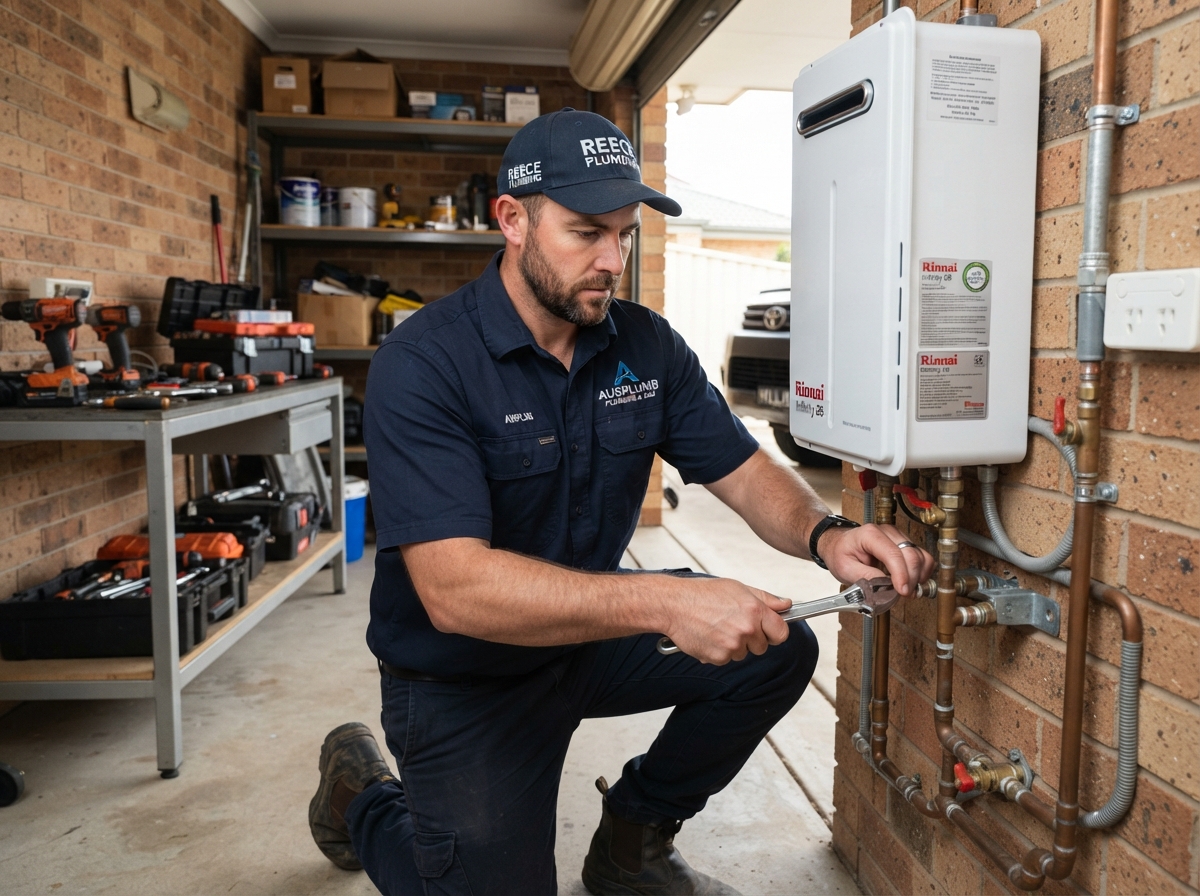
If you're wondering whether your hot water system is nearing the end of its life, you're asking the right question. Hot water systems don't last forever, and the one that's been quietly working in the corner of your garage for a decade won't last indefinitely. Understanding the typical lifespan of different system types — and the signs that yours is approaching replacement — helps you plan ahead rather than being caught off guard by a cold shower.
This guide covers how long different types of hot water systems typically last, the factors that affect lifespan, the signs a system is approaching replacement, and how to decide between repair and replacement. If you think your system may need replacing, call us on 1300 000 000.
Typical Lifespan by System Type
Different hot water technologies have different expected lifespans. These are general ranges based on typical performance — actual lifespan varies depending on installation quality, maintenance, water quality, usage patterns and operating conditions.
Electric Storage Systems
Electric storage hot water systems typically last around 8 to 12 years. The tank is the limiting factor — over time, the internal lining deteriorates and the tank corrodes. Once the tank starts leaking, the system needs replacing. Components like elements and thermostats can be replaced along the way, but the tank itself has a finite life.
Gas Storage Systems
Gas storage systems have a similar lifespan to electric storage — generally around 8 to 12 years. Gas systems have additional components (burner, gas valve, flue) that can also deteriorate over time. The tank is still the primary limiting factor, and a leaking tank means replacement is needed.
Heat Pump Systems
Heat pump hot water systems are more complex, with a compressor, refrigerant circuit and storage tank. The tank has a similar lifespan to other storage systems, but the compressor and refrigerant components add potential points of failure. Heat pumps typically last around 10 to 15 years, though compressor issues can arise earlier. Regular servicing is particularly important for heat pump systems.
Continuous Flow (Instantaneous) Systems
Gas continuous flow systems don't have a storage tank, which removes the most common failure point. With proper maintenance, they can last 15 to 20 years or more. However, internal components — heat exchanger, gas valve, igniter — can fail and may need replacement during the system's life.
Factors That Affect Hot Water System Lifespan
Several factors influence how long your system will actually last:
- Maintenance — systems that are serviced regularly last longer. Sediment flushes, valve checks and component inspections catch small problems before they become major failures.
- Water quality — hard water accelerates sediment and scale build-up in the tank, which reduces efficiency and can shorten the tank's life.
- Installation quality — a system that's installed correctly, with appropriate valves, clearances and connections, will perform better and last longer than one that isn't.
- Usage — a system serving a large family that runs constantly will experience more wear than one serving a single person.
- Operating conditions — systems installed outdoors in coastal areas are exposed to salt air, which can accelerate corrosion of external components.
On the Gold Coast, coastal exposure is a real factor for systems installed outdoors. Salt air can accelerate corrosion of external fittings, valves and casings, particularly in beachside suburbs. For more on keeping your system running well, see our guide on how often you should service your hot water system.
Signs Your Hot Water System Is Approaching Replacement
If your system is getting older, watch for these signs that replacement may be approaching:
- Frequent repairs — if you're calling a plumber every few months, the cumulative cost of repairs may exceed the cost of a new system.
- Leaks — water pooling around the base of the system or dripping from the tank itself usually means the tank has corroded internally. A leaking tank can't be repaired — the system needs replacing.
- Inconsistent hot water — fluctuating temperatures, not enough hot water, or hot water running out faster than it used to can indicate internal deterioration.
- Discoloured or rusty water — brown or rusty hot water is a sign of internal corrosion, particularly in storage tank systems.
- Strange noises — rumbling, banging or hissing from the tank often indicates sediment build-up, which reduces efficiency and can damage the tank over time.
- Increasing running costs — if your energy bills are rising without a change in usage, an aging, inefficient system may be the cause.
- Age — if your system is over 10 years old and showing any of the above signs, replacement is likely more cost-effective than continued repairs.
For a more detailed breakdown of these warning signs, see our article on signs your hot water system needs replacing.
Repair vs Replacement: How to Decide
The decision between repair and replacement depends on the age of the system, the nature of the problem, and the cost of the repair relative to a new system.
If the system is relatively new and the problem is a single component — a failed element, a faulty thermostat, a leaking valve — a repair is usually the right call. These are relatively inexpensive fixes that can extend the system's life by years.
But if the system is over 10 years old, if the tank is leaking, or if you're experiencing multiple issues at once, replacement is generally more cost-effective. A new system is also more energy-efficient, which can reduce your running costs. For guidance on what plumbing work costs on the Gold Coast, see our article on plumber costs.
A plumber can assess your system and give you honest advice on whether a repair or replacement makes more sense for your situation. Don't wait for a complete failure — planning a replacement before the system dies gives you time to choose the right system and avoid an emergency callout.
Think Your Hot Water System Needs Replacing?
If your system is getting older, leaking, or not performing like it used to, we'll assess it honestly and tell you whether a repair or replacement is the better investment. Call us on 1300 000 000 or request a plumber online.
Request a PlumberFrequently Asked Questions
How long does a hot water system last?
Most storage hot water systems (electric and gas) last around 8 to 12 years. Gas continuous flow systems can last 15 to 20 years or more because they don't have a storage tank. Heat pumps typically last 10 to 15 years. Actual lifespan depends on maintenance, water quality, installation and usage.
Should I repair or replace my old hot water system?
If the system is under 10 years old and the problem is a single component like an element or thermostat, a repair is usually cost-effective. If the system is over 10 years old, the tank is leaking, or multiple issues are occurring, replacement is generally the better investment.
What does a leaking hot water tank mean?
A leaking tank usually means the internal lining has failed and the tank has corroded. This can't be repaired — the system needs replacing. If you notice water pooling around the base of the system, call a plumber as soon as possible.
Does coastal exposure affect hot water system lifespan?
Yes. Systems installed outdoors in coastal areas are exposed to salt air, which can accelerate corrosion of external components, valves and casings. This is a particular consideration for beachside Gold Coast properties.
Can regular servicing extend the life of my hot water system?
Yes. Regular servicing — including sediment flushes, valve checks and component inspections — catches small problems early and helps the system operate efficiently. This can extend the system's useful life and delay the need for replacement.
Need a Plumber on the Gold Coast?
Call us or request a plumber online — we're here to help with any plumbing issue.
Request a Plumber